Home/Treatments/PRP Facial
Platelet-rich plasma in downtown Royal Oak, MI
A PRP facial uses platelet-rich plasma prepared from a small sample of your blood to support gradual improvements in texture, fine lines and overall skin quality. Serena, PA-C, injects it or pairs it with microneedling, depending on your goals.
A PRP facial is a non-surgical treatment that uses platelet-rich plasma separated from your own blood. The plasma is either injected into the skin or applied during microneedling. Growth factors released by the platelets support collagen and elastin production, so skin texture, fine lines and overall skin quality can gradually improve.
Platelets are best known for helping wounds heal. They carry growth factors that signal the skin to repair itself and produce collagen and elastin. A PRP facial concentrates those platelets and places them where your skin needs support. Because the material comes from your own body, there is no synthetic product injected and the risk of an allergic reaction is minimal.
A small amount of blood is drawn, usually from the arm, and spun in a centrifuge to separate the platelet-rich plasma from the red blood cells. Our clinic uses ProGen PRP tubes and the ProGen centrifuge, a medical-grade system that is sterile and designed to capture a high concentration of platelets for re-injection into facial tissue.
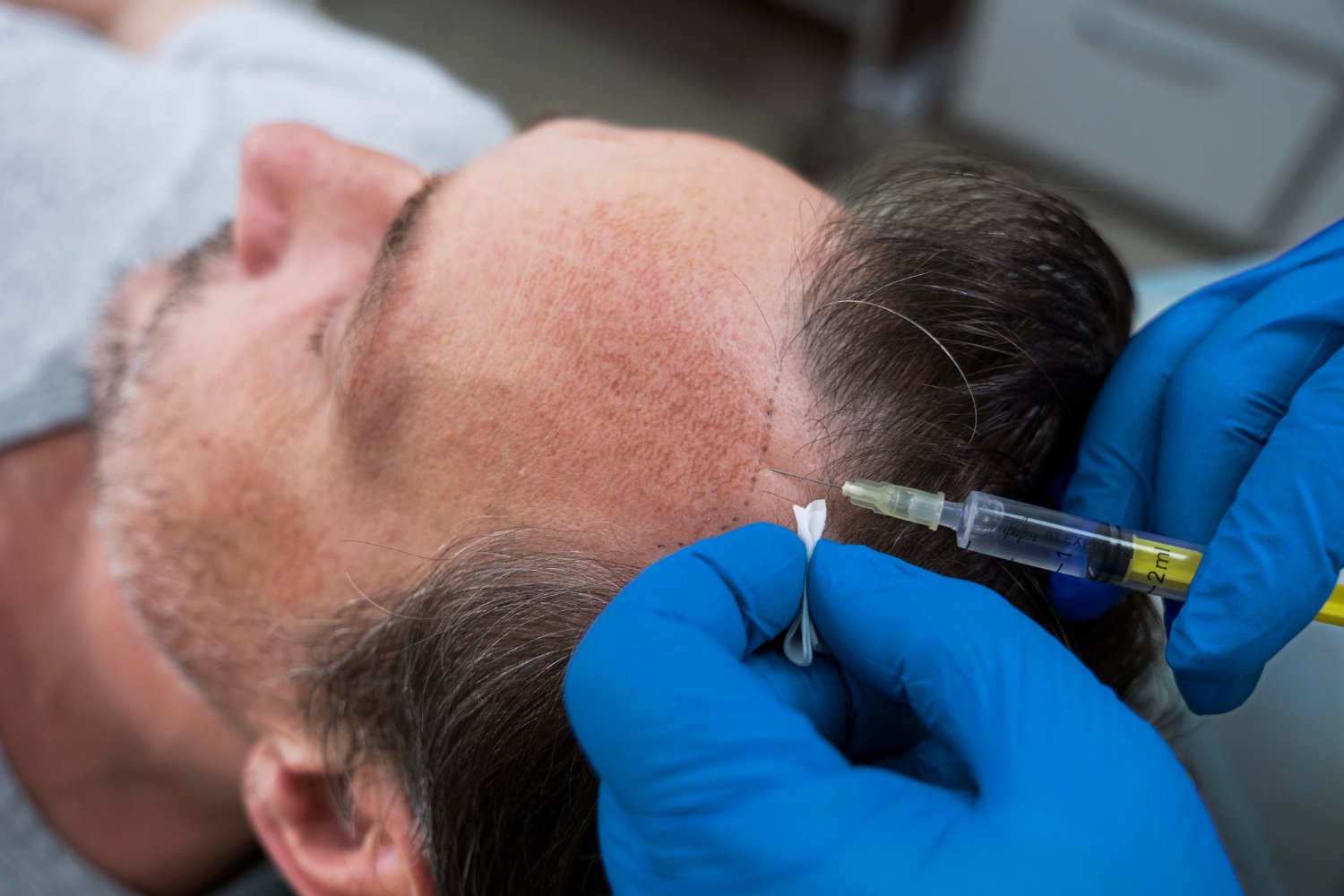
With PRP injections, Serena places the plasma into chosen areas using a fine needle, often for superficial concerns such as fine lines, or a blunt-tipped cannula for a more gradual spread across larger areas such as the cheeks. With microneedling and PRP, sometimes marketed as a “vampire facial”, the SkinPen® first creates tiny channels and the PRP is applied immediately so it can absorb through them.
Exosomes are tiny vesicles that cells use to pass proteins and genetic material to one another, and platelets in PRP contain them naturally. Exosome products are not FDA-approved, and their use in skin rejuvenation is still being studied. If you ask about them, Serena will explain plainly what is and is not known before you decide anything.
PRP supports skin quality rather than adding volume. These are the concerns it is most often chosen for.
Gradual softening as collagen and elastin production is supported.
A healthier, fresher look to overall skin quality and glow.
Combined with microneedling, PRP may improve selected acne scars and uneven texture.
Microneedling with PRP is used to even out tone over a series.
PRP may improve crepey texture under the eyes. See dark circles treatment for other causes.
Collagen support from PRP and microneedling can help refine the look of pores.
Your appointment includes the blood draw and preparation as well as the treatment itself.
Serena reviews your concerns, medical history and facial anatomy, and recommends injections, microneedling with PRP or both.
A small blood sample is taken and processed in the ProGen centrifuge to isolate your platelet-rich plasma.
PRP is injected by needle or cannula, or applied straight after SkinPen® microneedling so it absorbs through the microchannels.
Many patients have an initial series followed by maintenance, scheduled around the area treated and how your skin responds.
PRP is not a filler. It works gradually on skin quality, while fillers add volume straight away.
| Option | How it works | Often chosen for |
|---|---|---|
| PRP injections | Your plasma is placed into targeted areas with a fine needle or a blunt-tip cannula | Fine lines, crepey skin and gradual skin-quality support |
| Microneedling with PRP | SkinPen® microchannels let PRP applied straight after treatment absorb into the skin | Texture, acne scars, uneven tone and pores |
| Dermal filler | A hyaluronic acid gel adds volume and structure as soon as it is placed | Lost volume and contour; see dermal fillers |
A real patient of Aesthetic Beauty By Serena. Individual results vary. Individual results vary.
PRP suits people who want gradual, natural-looking change and are comfortable with a blood draw.
Safety. Because PRP comes from your own blood, allergic reactions are unlikely, but no treatment is without risk. Common short-term effects include redness, swelling, tenderness and bruising at the treatment or blood-draw site, plus the usual effects of microneedling when the two are combined. Less common risks include infection, lumps, pigment changes and, with any facial injection, injury to blood vessels or nerves. Sterile preparation and careful attention to facial anatomy help keep these risks low.
Why patients choose us
Choosing where to have aesthetic treatment is a personal decision. Every visit is led by a certified physician assistant, in a calm clinic in downtown Royal Oak.
Shared by patients on our Google Business Profile. Individual results vary.
Serena is so great, I’m so happy I found her! There’s never a wait, and she spends so much time and extra effort explaining anatomy, each procedure, and expertise on skincare and aging.
Laura DemarcoGoogle review
She’s so gentle and knowledgeable. She explains what works best for you and doesn’t try to sell you on what you don’t need. I can’t say enough good things about her.
Jenna LeighGoogle review
She took her time and explained everything to me as this was my first time getting any type of Botox. She is very professional and personable.
Latoya ColvinGoogle review
Serena is very comforting and will put you at ease if you are nervous about any procedure. She even takes extra steps to follow up with you afterwards to make sure you are well.
Darlita PauldingGoogle review
Something else on your mind? Call us at 248-677-6060 and we will be glad to help.
“Vampire facial” is a marketing term usually used for PRP combined with microneedling. PRP injections are a different procedure, in which the plasma is placed into the skin by needle or cannula. Serena explains both and recommends the one that suits your concerns.
Our published prices list microneedling with PRP at $700 for the face or $850 for the face and neck per session, and $2,000 or $2,400 for three. PRP for under-eye wrinkles and dark circles is $450 per session or $1,200 for three.
No. PRP mainly supports gradual skin-quality improvement and does not reliably replace the immediate volume or structure that a dermal filler provides. Some patients use both, for different goals, after discussing the options with Serena at consultation.
No. Exosome products are not FDA-approved, and their role in skin rejuvenation is still being researched. Platelets in your own PRP naturally contain exosomes, but that is different from a manufactured exosome product. Ask Serena if you would like to understand the difference.
You may feel mild discomfort from the blood draw and during treatment. Comfort varies from person to person and with the technique used, and Serena explains what to expect and how discomfort is managed before you begin.
Many patients start with an initial series and then return for maintenance. How many sessions you need depends on the area treated, your skin and how it responds, so Serena sets your schedule after your first assessment.
PRP may improve crepey texture and skin quality beneath the eyes. It may not correct dark circles caused by pigmentation, visible blood vessels, shadowing or volume loss, which can need a different treatment, so the cause is assessed first.
Treatments that are commonly planned alongside this one.
Invest in yourself today. Up to 16 months no interest for qualified applicants.
Serving Royal Oak, Birmingham, Troy, Bloomfield Hills, West Bloomfield, Beverly Hills, Farmington Hills, Sterling Heights, Commerce Township, Dearborn and surrounding communities.
PRP treatment requires a medical evaluation and informed consent. The use of PRP for facial rejuvenation is not an FDA-approved indication and is discussed with you before treatment. Exosome products are not FDA-approved. Prices are as published and confirmed by the clinic when you book. Individual results vary. This page is for general education and does not replace a consultation.