Home/Treatments/Facial ultrasound
Ultrasound-guided aesthetic care in Royal Oak, MI
High-frequency ultrasound lets us look at facial tissue layers and find visible deposits of old filler, so decisions about new filler or dissolving are based on what is actually there.
A facial ultrasound assessment uses high-frequency sound waves to show selected layers of facial tissue, relevant anatomical structures and visible deposits of previously placed dermal filler. It is non-invasive and helps answer practical questions before treatment, such as where old filler sits and whether dissolving it or adding more makes sense.
Filler is usually placed by feel and by knowledge of anatomy, and once it is in, it cannot be seen directly. That becomes a problem when you have had injections from several providers, do not know which product or how much was used, or are unhappy with how earlier filler looks. Ultrasound adds a picture to the assessment.
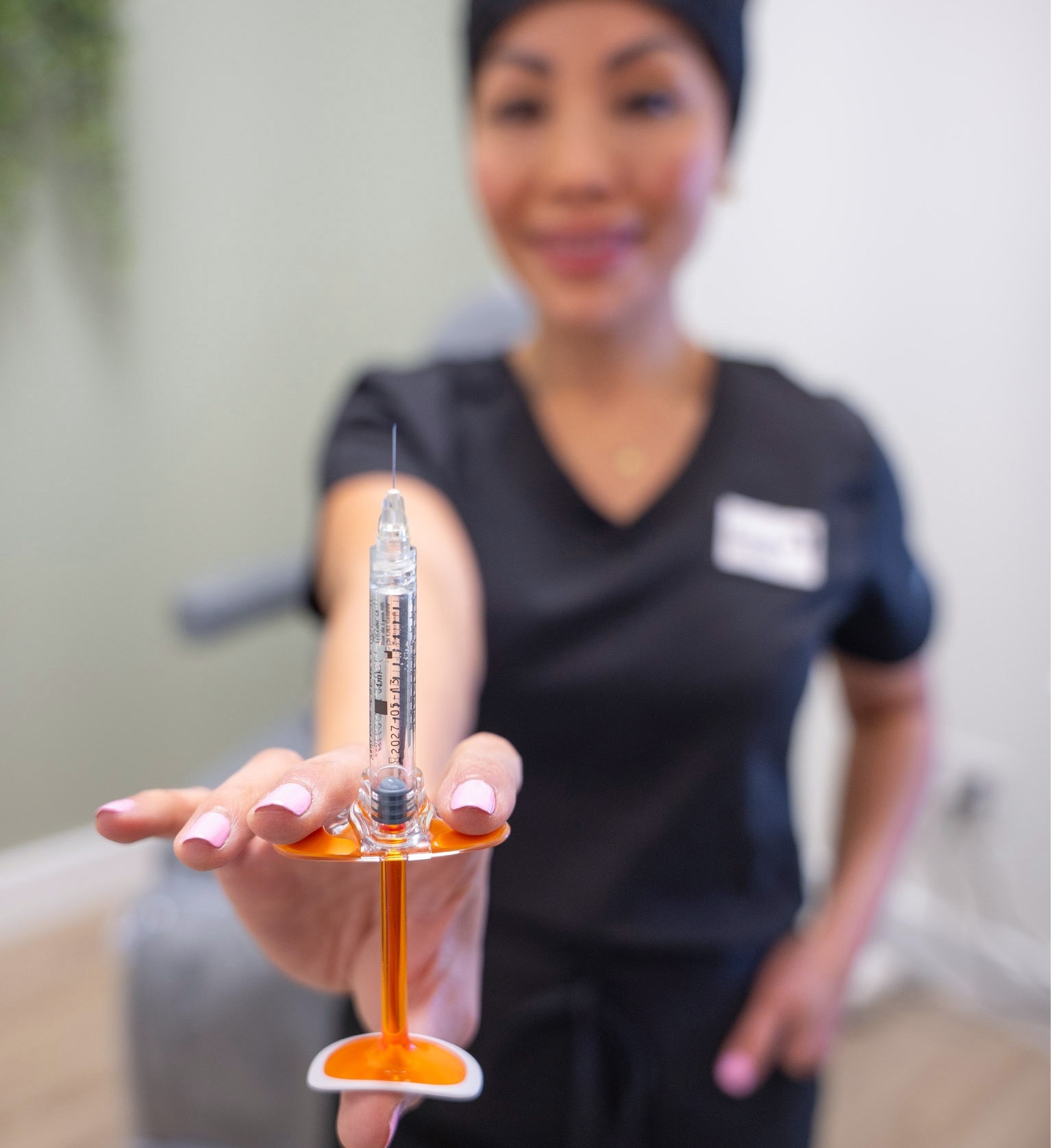
Serena, PA-C, spent more than five years using ultrasound imaging while working in interventional radiology and vascular surgery, where image-guided procedures are routine. She has brought that experience into aesthetic medicine because understanding what lies beneath the skin is part of responsible injectable care.
If you are unhappy with previous hyaluronic acid filler, it can often be broken down with hyaluronidase, an enzyme used by trained medical providers. Ultrasound can help locate visible filler deposits and guide the placement of hyaluronidase into the targeted area when clinically appropriate. This can help with unwanted filler, unevenness, localized irregularities and certain filler-related complications.
Hyaluronidase works on hyaluronic acid filler. Longer-lasting products such as calcium hydroxylapatite (Radiesse®) or poly-L-lactic acid (Sculptra®) are not reversed the same way. Knowing what is in your face, and where, is one reason an assessment comes first.
An assessment is most useful when there is uncertainty about what is already in the face.
When different injectors have treated you over the years, ultrasound helps map what remains.
If you are unsure what type or how much filler was injected, imaging gives useful information before anything new is added.
Findings can shape where and whether additional filler is placed.
Unwanted fullness, puffiness or a result you no longer like can be assessed for dissolving.
Localized irregularities can be located so hyaluronidase goes where it is needed.
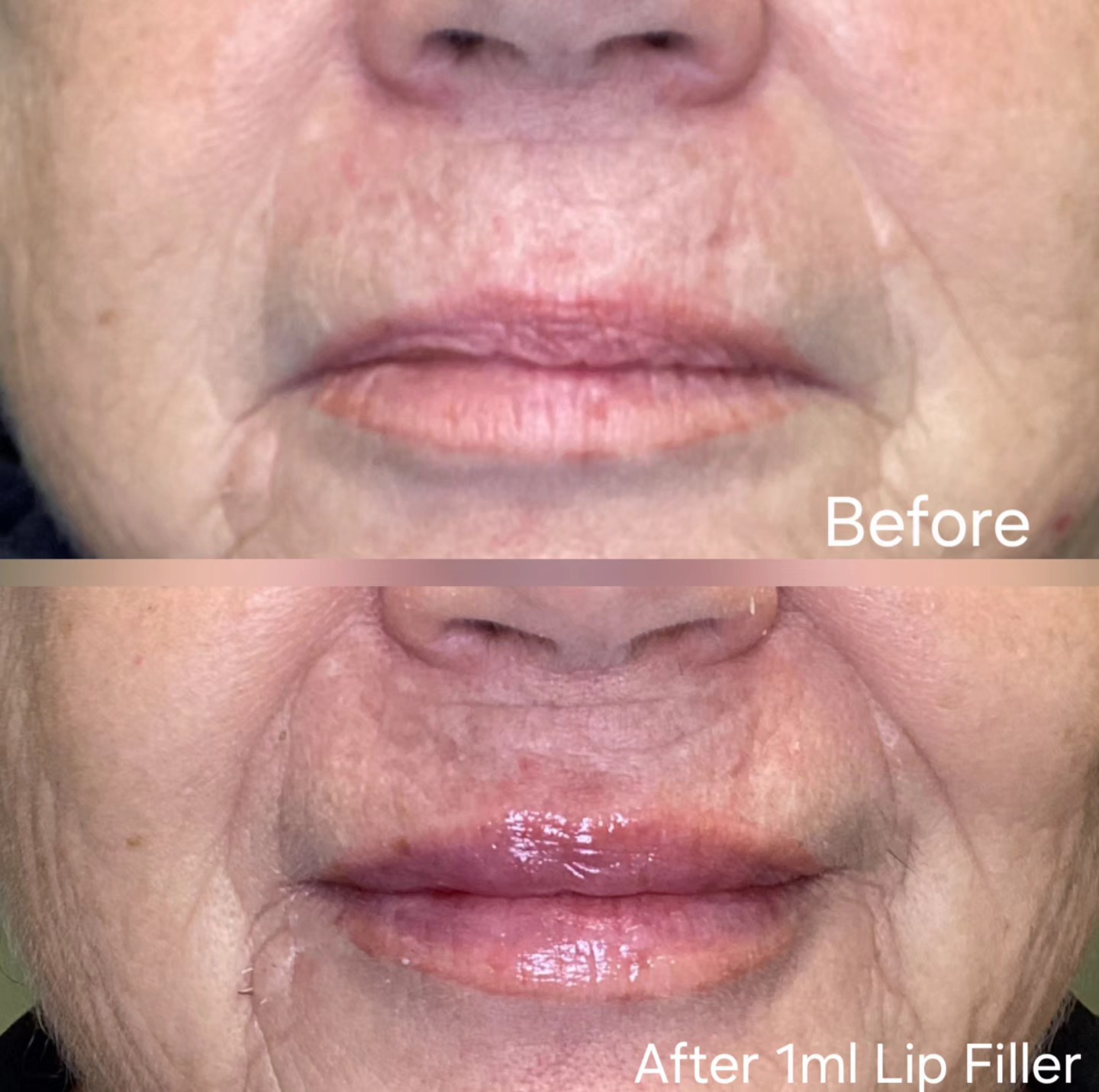
Migrated or excess lip filler can be checked before lips are treated again.
Assessment and any treatment are planned around what the scan shows and what you want.
We talk through previous treatments, products if you know them, what bothers you and what you hope to achieve.
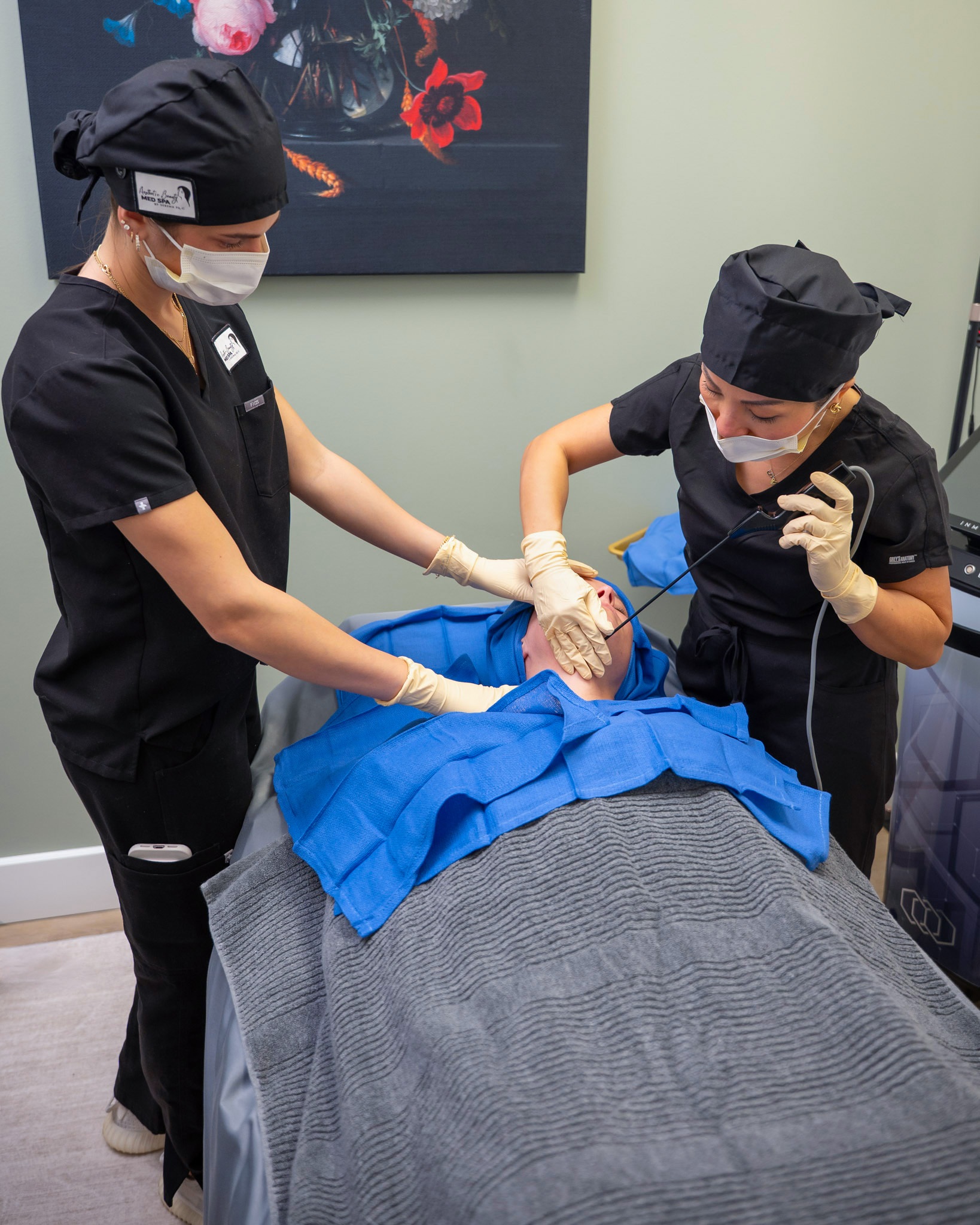
A probe with gel is moved over the areas of concern to look at tissue layers and any visible filler deposits.
Serena explains what the images show and whether dissolving, waiting, adding filler or no treatment is the most appropriate path.
When HA filler is to be dissolved, ultrasound helps guide hyaluronidase into the targeted deposit, with follow-up to review the result.
Ultrasound itself is non-invasive. Dissolving filler is a medical treatment, so suitability is confirmed first.
Why patients choose us
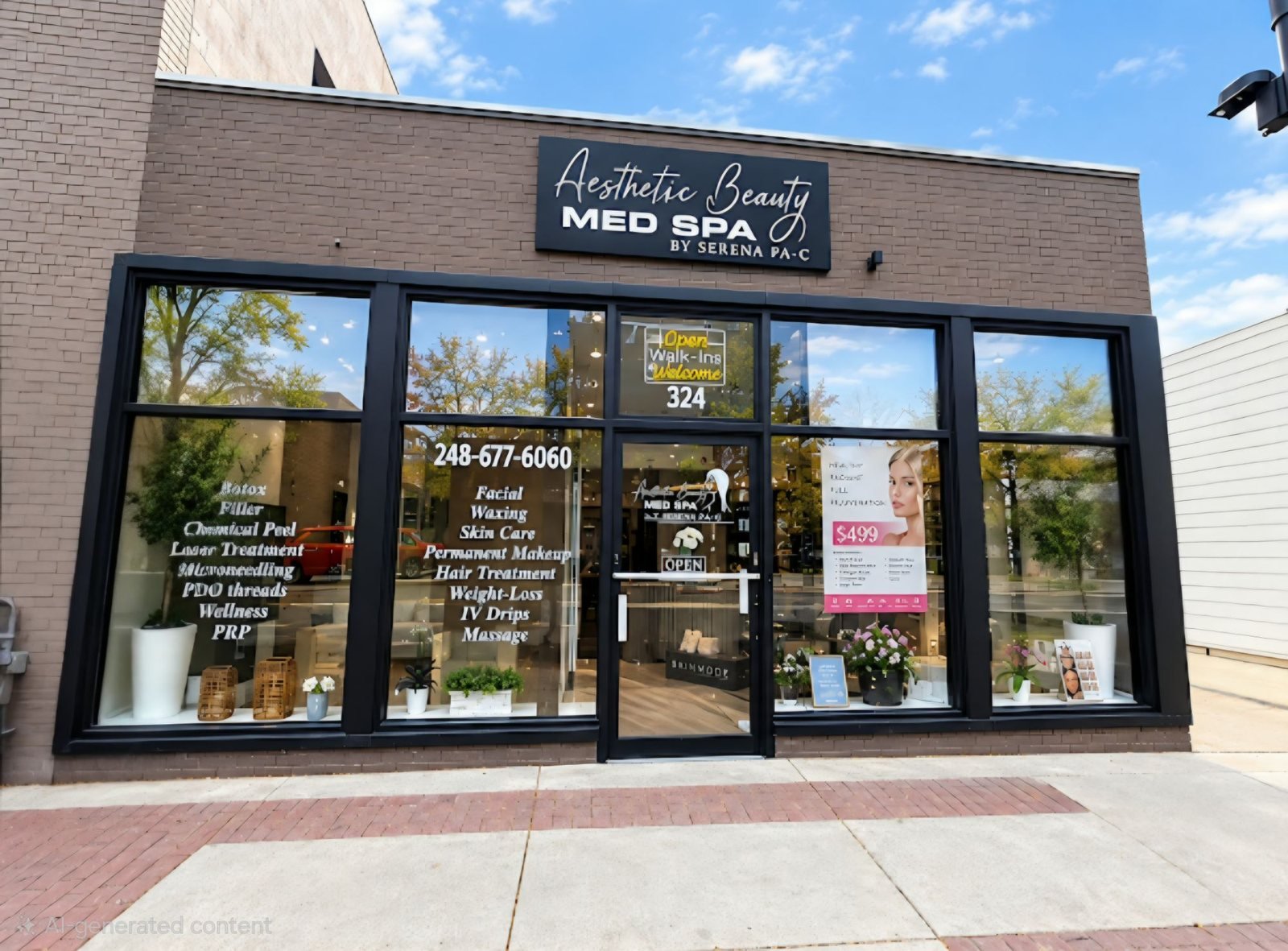
Choosing where to have aesthetic treatment is a personal decision. Every visit is led by a certified physician assistant, in a calm clinic in downtown Royal Oak.
Shared by patients on our Google Business Profile. Individual results vary.
Serena is so great, I’m so happy I found her! There’s never a wait, and she spends so much time and extra effort explaining anatomy, each procedure, and expertise on skincare and aging.
Laura DemarcoGoogle review
She’s so gentle and knowledgeable. She explains what works best for you and doesn’t try to sell you on what you don’t need. I can’t say enough good things about her.
Jenna LeighGoogle review
She took her time and explained everything to me as this was my first time getting any type of Botox. She is very professional and personable.
Latoya ColvinGoogle review
Serena is very comforting and will put you at ease if you are nervous about any procedure. She even takes extra steps to follow up with you afterwards to make sure you are well.
Darlita PauldingGoogle review
Something else on your mind? Call us at 248-677-6060 and we will be glad to help.
High-frequency ultrasound can show selected facial tissue layers, relevant anatomical structures and visible deposits of previously placed dermal filler. It gives Serena a picture of where filler sits, which helps inform decisions before dissolving it or adding more.
Hyaluronic acid fillers can usually be broken down with hyaluronidase. Biostimulators and longer-lasting fillers, such as Sculptra® (poly-L-lactic acid) or Radiesse® (calcium hydroxylapatite), are not reversed in the same way, so knowing what you have matters.
Ultrasound can help locate visible filler deposits and guide the placement of hyaluronidase into the targeted area. The goal is a more targeted, individualized dissolving treatment, particularly when treating unevenness, localized irregularities or filler placed by someone else.
It is worth considering if you have had filler from multiple providers, are unsure what was used or how much, or are not happy with how earlier filler looks. Ultrasound findings can change the plan before anything new is injected.
The scan itself is non-invasive: a small probe and gel are moved gently over the skin, with no needles and no radiation. Any discomfort comes only from a treatment such as hyaluronidase injections, which are discussed with you before they are done.
Hyaluronidase targets hyaluronic acid, which is also found naturally in skin. Some temporary softening or hollowing can follow, and the area is reviewed once swelling has settled. Guided placement helps keep the enzyme focused on the deposit being treated.
Serena, PA-C, a board-certified physician assistant with more than five years of ultrasound experience from interventional radiology and vascular surgery, brought ultrasound into the practice. The clinic also has Doppler ultrasound available during filler treatment, used when clinically appropriate to support assessment and injection safety.
Treatments that are commonly planned alongside this one.
Invest in yourself today. Up to 16 months no interest for qualified applicants.
Serving Royal Oak, Birmingham, Troy, Bloomfield Hills, West Bloomfield, Beverly Hills, Farmington Hills, Sterling Heights, Commerce Township, Huntington Woods, Northville, Dearborn and surrounding communities.
Facial ultrasound assessment and filler dissolution require a medical evaluation and informed consent. Hyaluronidase is an FDA-approved medicine, and its use to dissolve cosmetic filler is off-label. Ultrasound shows visible filler deposits only and may not detect every product. Its findings support clinical judgment and do not replace it. Results vary between patients. Please treat this page as education and book a consultation for advice about your own face.