• New customers: Botox® & Xeomin® $9/unit
  • Black Friday: second filler syringe 50% off
  • Black Friday: microneedling, 3 sessions $900
  • Financing: up to 16 months no interest for qualified applicants
View specials

HomeTreatmentsCryotherapy

Cryotherapy in downtown Royal Oak, MI

Cryotherapy in Royal Oak. Precise care for benign skin lesions.

Controlled cold energy can treat selected age spots, seborrheic keratoses, warts and other unwanted growths. Every lesion is examined first, and anything suspicious is referred for medical evaluation instead of cosmetic treatment.

  • Lesion evaluation before any treatment
  • No surgical incision for most treatments
  • Quick in-office procedure
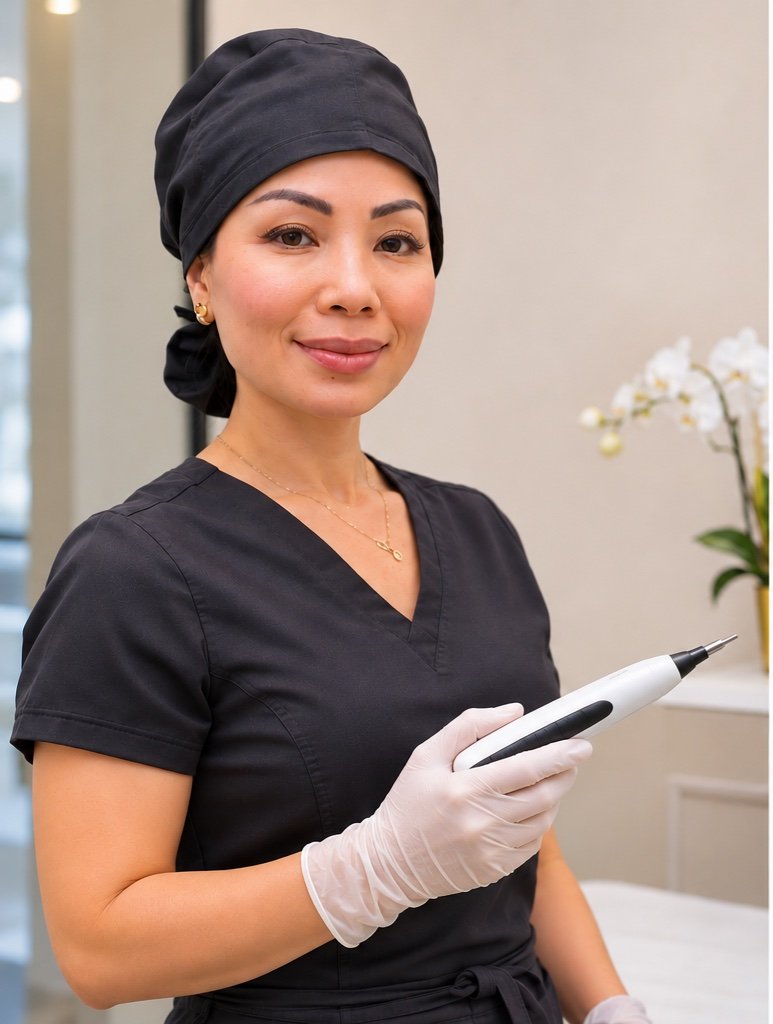
Serena, PA-C, holding a cryotherapy pen in the treatment room
Method
Controlled cold energy applied to the lesion
Incision
No surgical incision or stitches for most treatments
Healing
Treated tissue dries, crusts and sheds
Sessions
Many superficial lesions respond to one treatment

What is cryotherapy for skin lesions?

Cryotherapy is a minimally invasive treatment that uses extreme cold to destroy selected unwanted skin tissue. The cold damages the targeted cells, and over the following days the treated area dries, forms a small crust and sheds as the skin heals. It is used for certain superficial lesions once they have been evaluated.

Whether cryotherapy is suitable depends on what the lesion is, how large and thick it is, and where it sits on the body. That is why treatment at Aesthetic Beauty by Serena, PA-C, always begins with a careful look at each area of concern. The aim is to improve the appearance of your skin with precise, individualized treatment, not to freeze every spot on sight.

Treatment time varies with the size, thickness and location of the lesion. Because the cold is aimed at the growth itself, disruption to the surrounding skin is minimal when treatment is appropriately performed.

Not every brown spot is an age spot

Some spots that look harmless are not. Actinic keratoses, for example, are considered precancerous because some can progress to squamous cell skin cancer. Any spot that is changing, irregular, bleeding or otherwise suspicious needs medical evaluation first. Uncertain lesions may require dermatology assessment or a biopsy rather than cosmetic removal.

Cryotherapy and darker skin tones

Patients with Fitzpatrick skin types IV, V and VI can respond differently to treatments that involve heat, cold or controlled tissue injury. Cryotherapy can sometimes be used for darker skin, but careful patient selection and conservative treatment matter even more, because of an increased risk of dark marks, lighter or white spots, uneven pigmentation during healing and, in some cases, scarring. These risks are discussed openly before any decision is made.
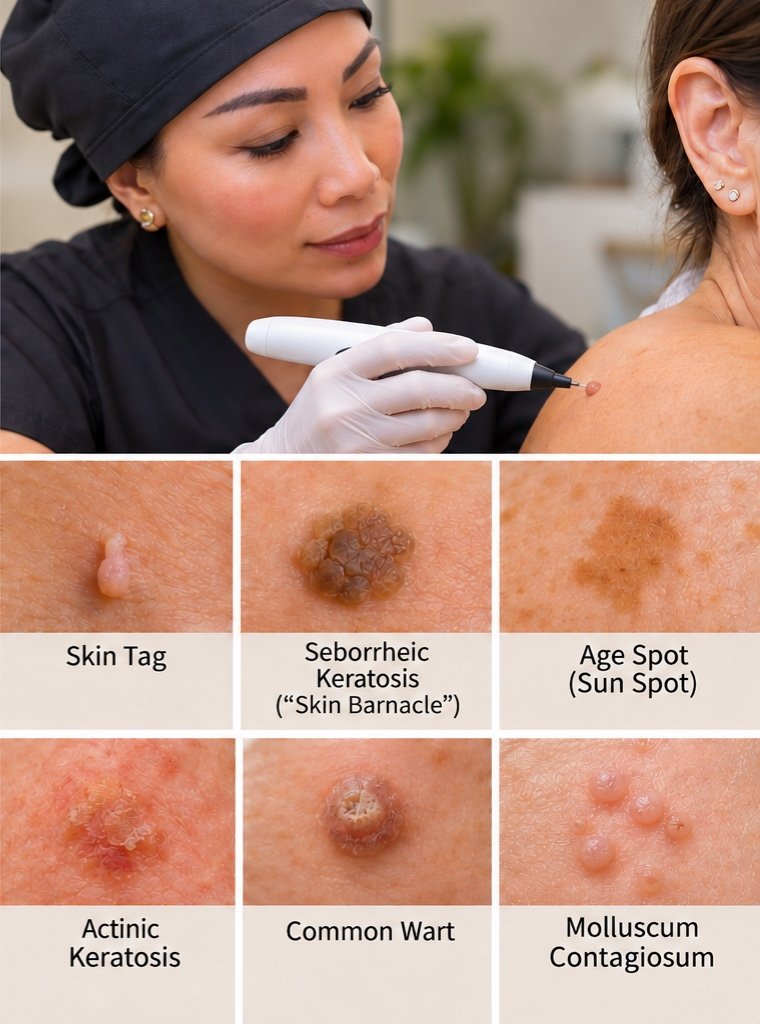
Serena, PA-C, treating a spot on a patient’s shoulder, above labelled examples of a skin tag, seborrheic keratosis, age spot, actinic keratosis, common wart and molluscum contagiosum

Skin lesions cryotherapy may treat

These are the benign and appropriately diagnosed lesions cryotherapy is used for. Suitability is confirmed one lesion at a time.

  1. Age spots (solar lentigines)

    Flat brown spots from cumulative sun exposure on the face, hands, arms, chest and shoulders. Selected superficial spots can be treated once confirmed benign.

  2. Seborrheic keratoses

    Common noncancerous growths, brown to nearly black, often rough, waxy and stuck-on, sometimes called skin barnacles. Freezing lets them dry and fall away.

  3. Actinic keratoses

    Rough, scaly sun-damaged spots on the face, ears, scalp, neck and forearms. Cryotherapy is an established treatment once they are properly diagnosed.

  4. Common warts

    Rough, raised growths caused by HPV, often on the hands, fingers and feet. Cold destroys the affected tissue; some warts need more than one session.

  5. Molluscum contagiosum

    Small, smooth, round bumps from a contagious viral infection. The approach depends on age, number of lesions, location and medical history.

  6. Selected skin tags

    Soft benign growths in skin folds. Read more on our skin tag removal page.

Your cryotherapy visit, from evaluation to healing

Most treatments take place in a single short appointment, with healing continuing at home.

  1. Skin evaluation

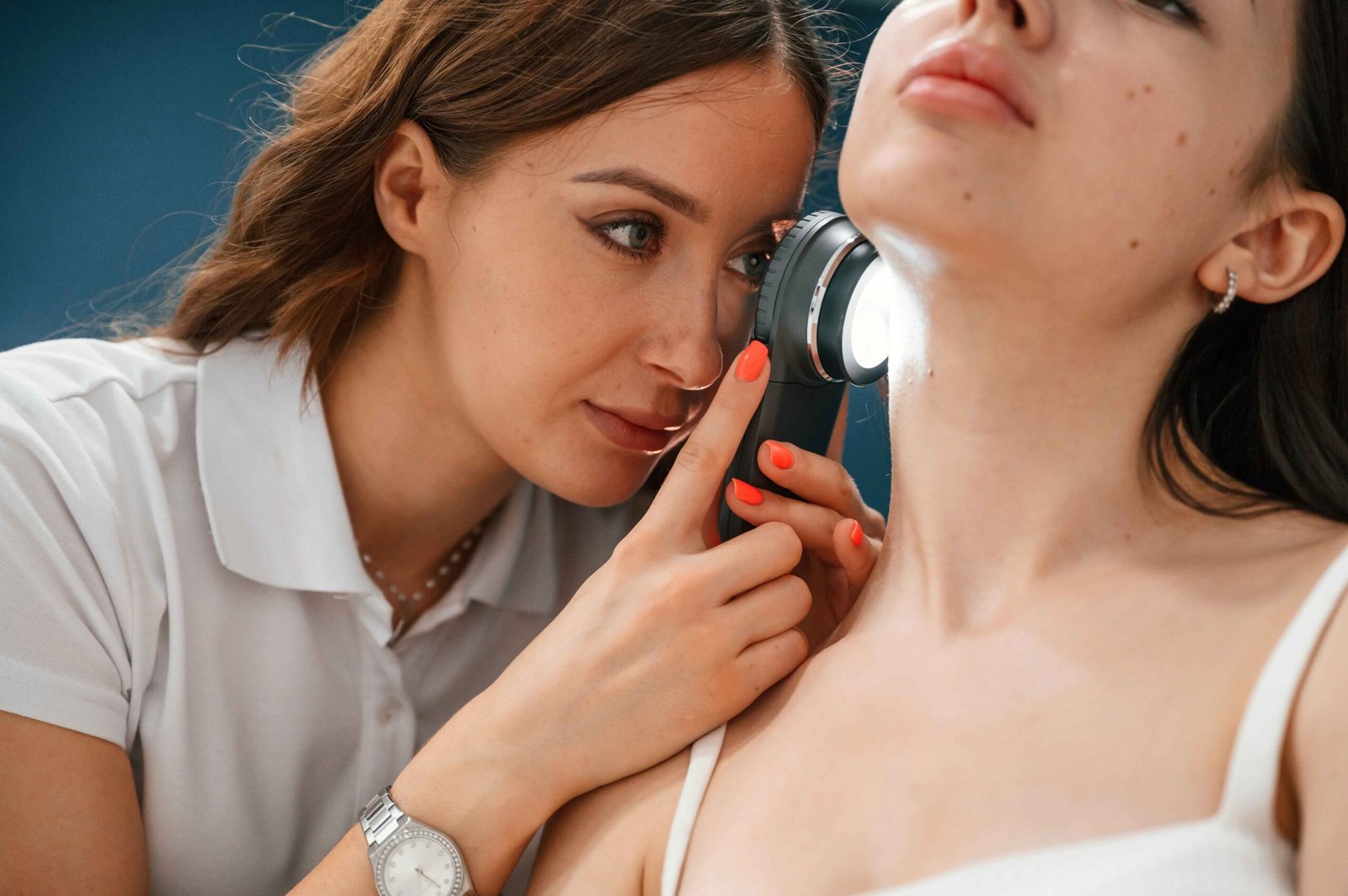
    Each area of concern is examined to judge whether it looks appropriate for treatment. Suspicious or undiagnosed lesions are referred for medical evaluation.

  2. Targeted freezing

    Cold energy is applied to the selected lesion in a controlled way. You may feel brief stinging, burning or cold.

  3. Crusting and shedding

    Redness, swelling, a blister or a crust can follow. The area gradually dries and sheds as new skin forms.

  4. Review and next steps

    Some lesions clear after one treatment. Others need another session or a different removal method.

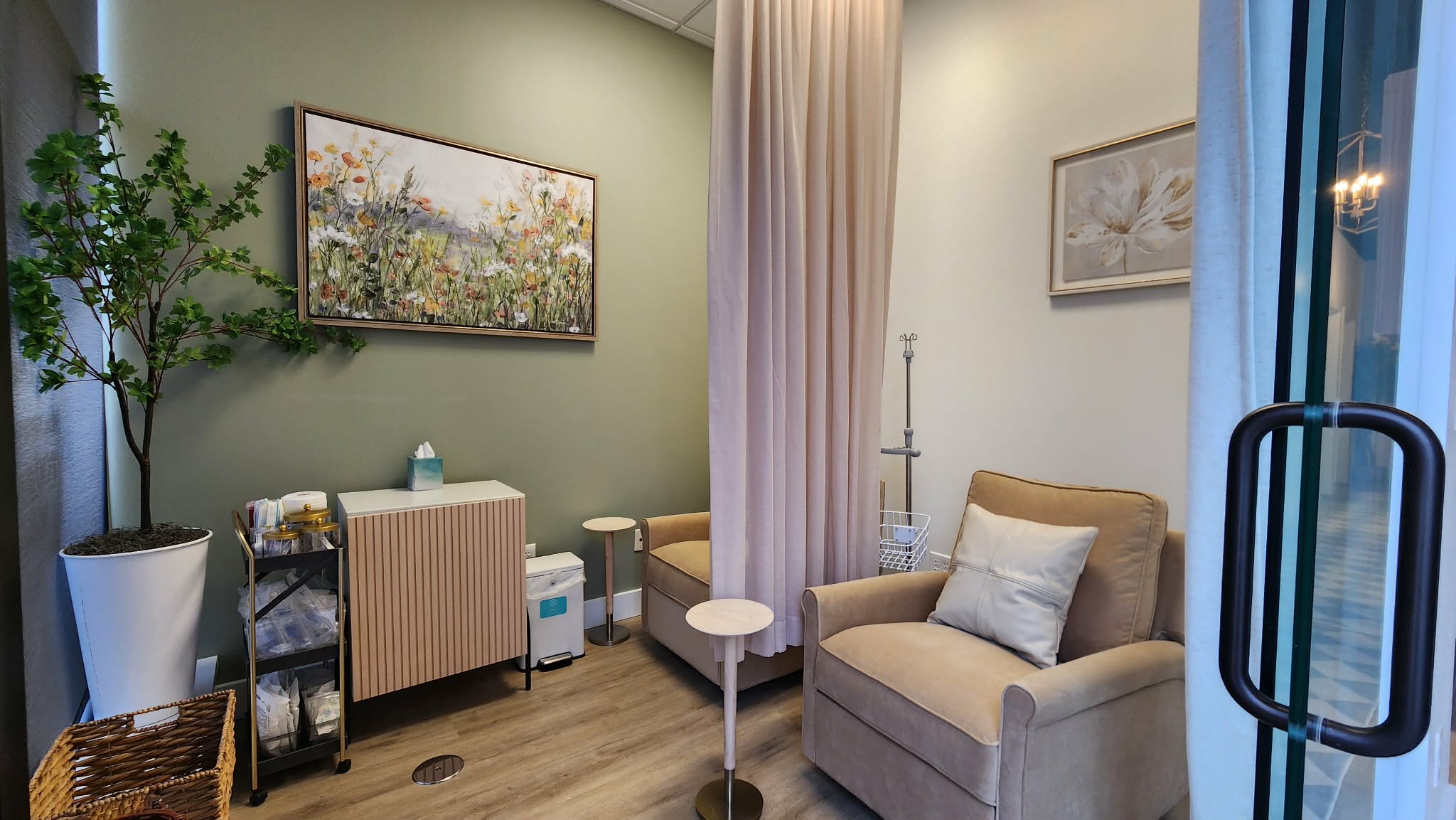
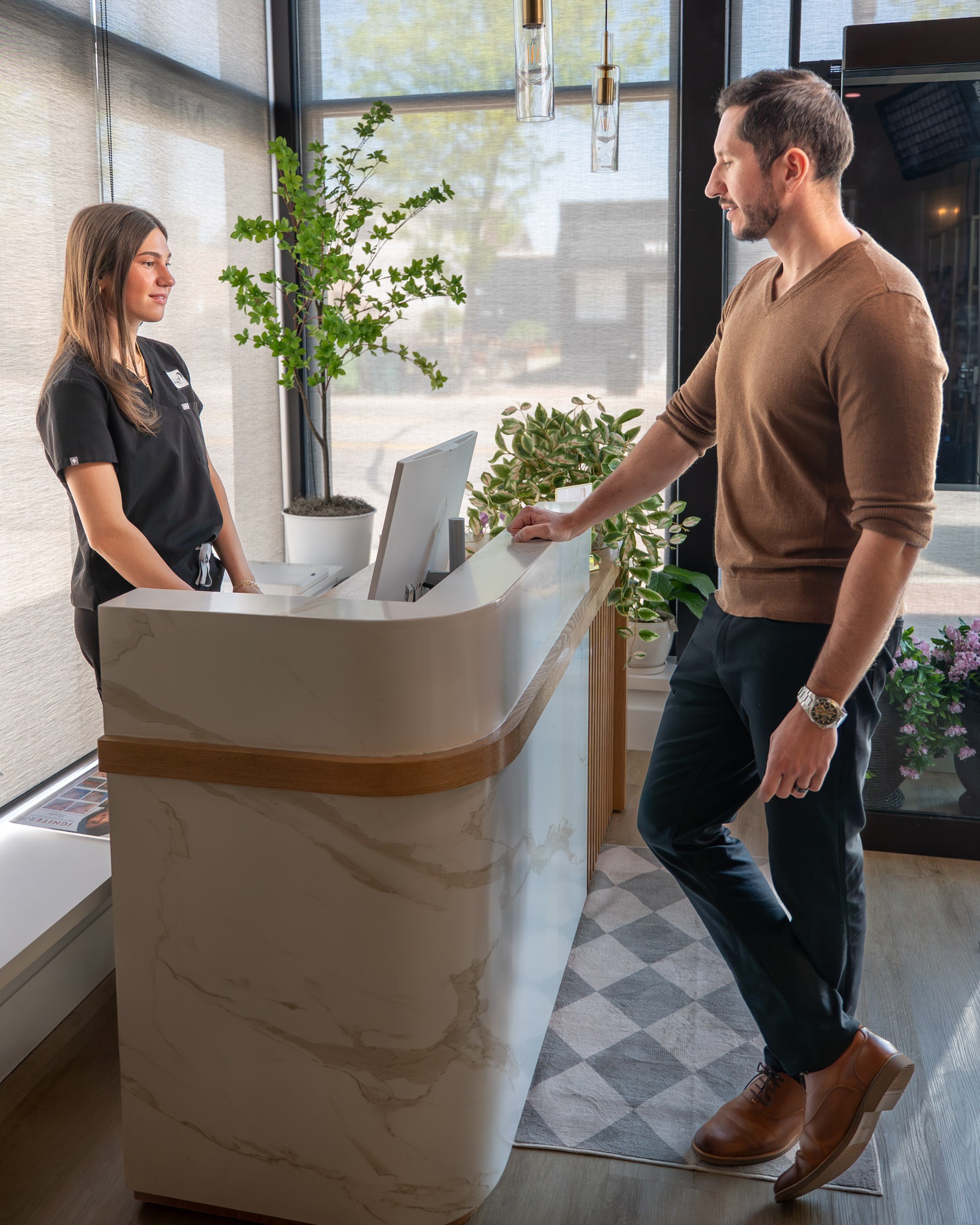
Private treatment room used for in-office skin procedures in Royal Oak

Is cryotherapy right for your spot?

The lesion decides as much as the person does. Some are ideal for cold treatment and some are not.

Often a good fit if

  • The growth has been evaluated and looks benign
  • It is a superficial spot, wart or keratosis
  • You would like to avoid an incision and stitches
  • You can protect the area from the sun while it heals

Talk to us first if

  • The spot is new, changing, bleeding or irregular
  • You have a darker skin tone and are worried about pigment changes
  • You have had a lesion return after earlier treatment
  • You are unsure what the growth is: diagnosis comes before removal

Caring for the treated area

  • Keep it clean and follow the wound-care instructions
  • Do not pick, scratch or pop any blister or scab
  • Shield it from the sun; use SPF 30 or higher once appropriate
  • Call us about increasing pain, spreading redness or signs of infection

Why patients choose us

A medical approach to aesthetics

Choosing where to have aesthetic treatment is a personal decision. Every visit is led by a certified physician assistant, in a calm clinic in downtown Royal Oak.

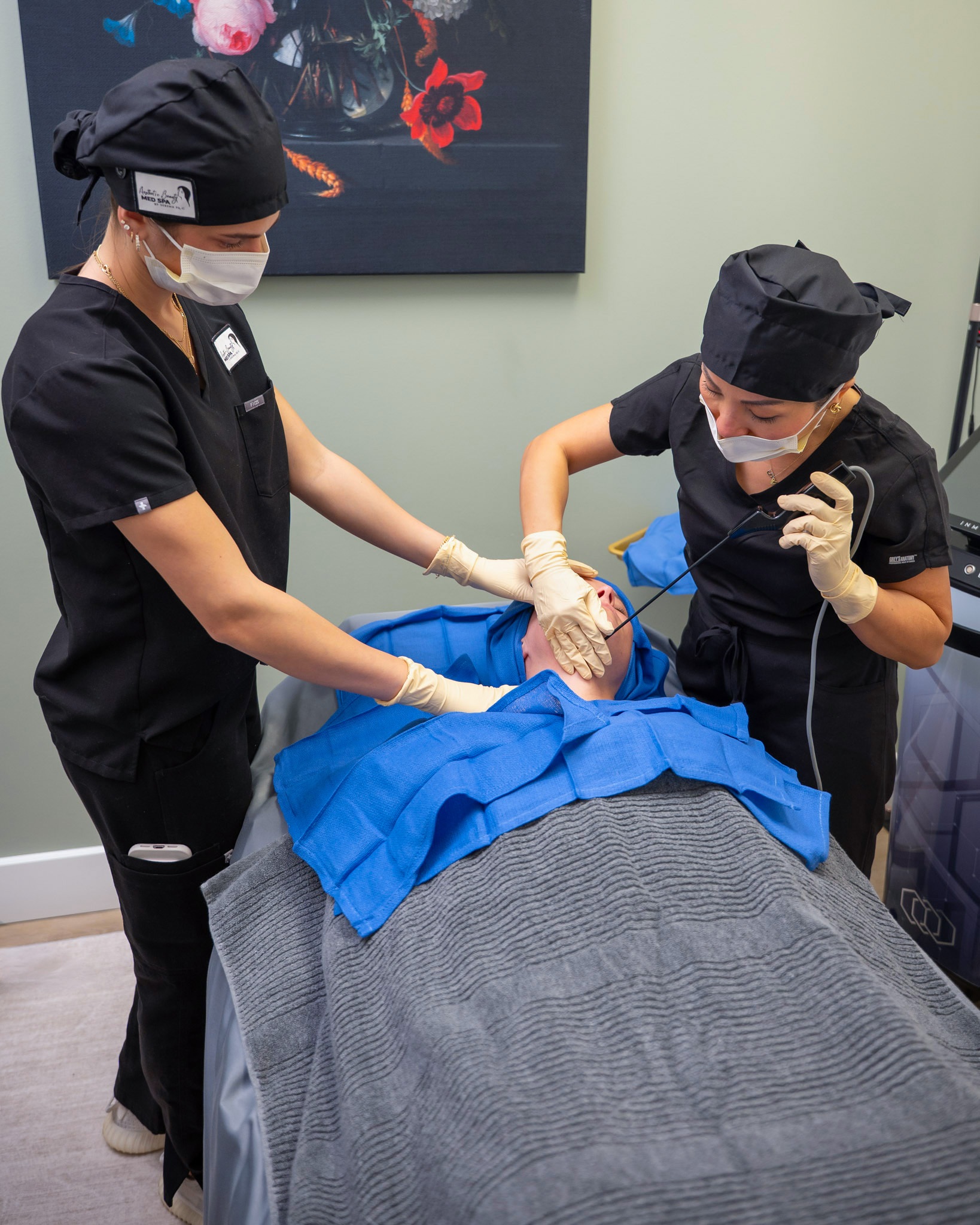
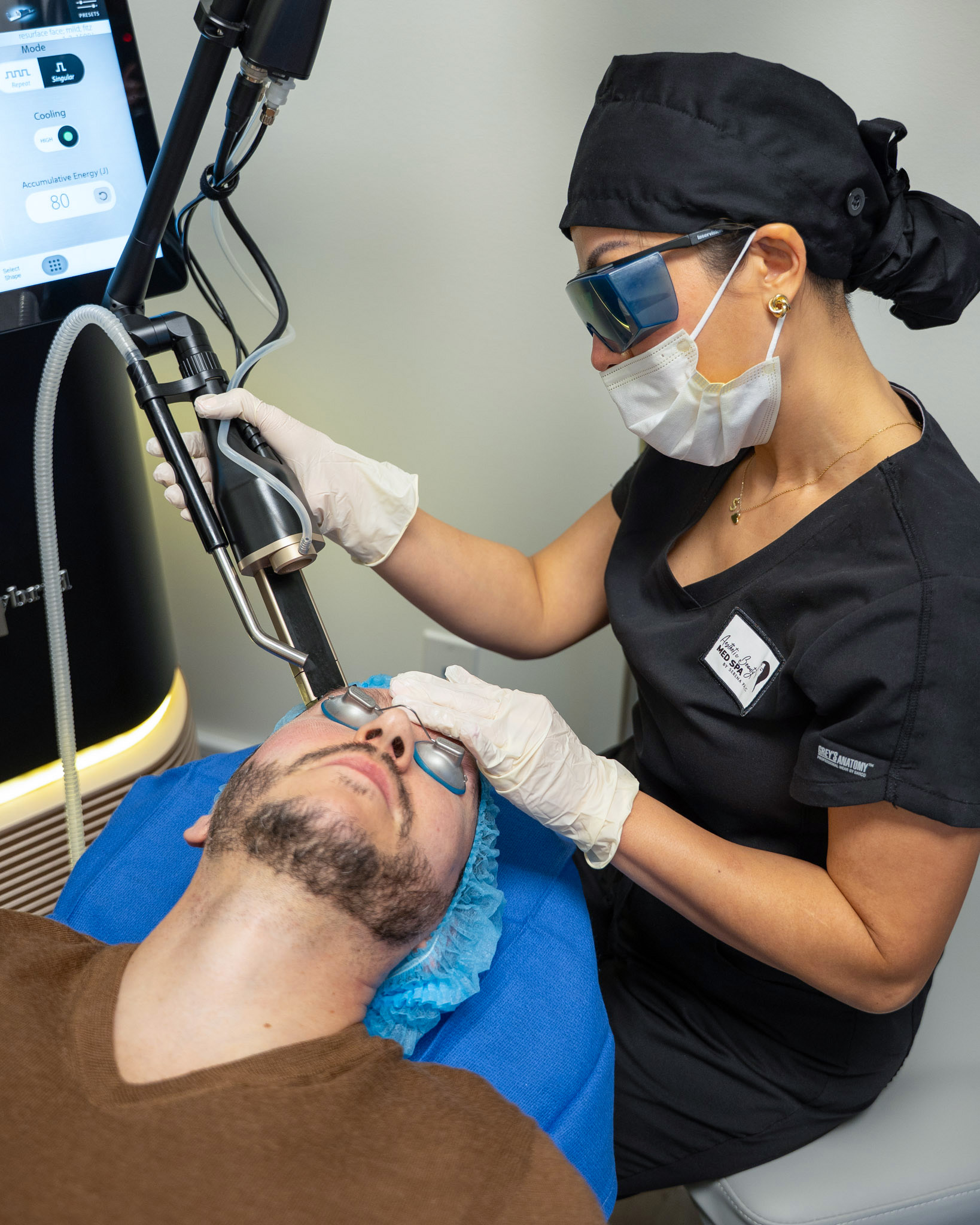
Serena and an assistant preparing a QuantumRF treatment
  • Safety firstMeticulous attention to patient safety, proper technique, and evidence-based practice in every treatment.
  • Trusted productsReputable, FDA-approved products and advanced technologies whenever indicated.
  • A sterile clinical settingStrict sterile and aseptic technique in a clean, professional medical environment.
  • Full facial analysisEmage® skin analysis and a full assessment of facial anatomy before any plan is made.
  • Natural resultsBalanced, refreshed results that complement your features rather than change them.
  • Honest recommendationsEducation and transparency, without pressure or unnecessary treatments.
  • Ultrasound facial assessmentHigh-frequency ultrasound shows where earlier filler sits, so new filler or dissolving is planned around what is really there. About facial ultrasound

In our patients’ words

Shared by patients on our Google Business Profile. Individual results vary.

Serena is so great, I’m so happy I found her! There’s never a wait, and she spends so much time and extra effort explaining anatomy, each procedure, and expertise on skincare and aging.

Laura DemarcoGoogle review

She’s so gentle and knowledgeable. She explains what works best for you and doesn’t try to sell you on what you don’t need. I can’t say enough good things about her.

Jenna LeighGoogle review

She took her time and explained everything to me as this was my first time getting any type of Botox. She is very professional and personable.

Latoya ColvinGoogle review

Serena is very comforting and will put you at ease if you are nervous about any procedure. She even takes extra steps to follow up with you afterwards to make sure you are well.

Darlita PauldingGoogle review

Cryotherapy questions

Something else on your mind? Call us at 248-677-6060 and we will be glad to help.

Most people feel a brief stinging, burning or intensely cold sensation while the lesion is treated. How uncomfortable it feels depends on the location and size of the lesion, and the sensation is usually brief.

It can. A small blister may form within hours or days of treatment and is an expected possible response. Leave it intact rather than popping it, keep the area clean and follow the wound-care instructions you are given.

The treated area usually forms a crust or scab that gradually sheds on its own. Healing time varies with the location, size and depth of the treatment, so ask about your specific lesion at your visit.

Selected benign solar lentigines can be treated with cryotherapy to reduce unwanted pigmentation. Not every brown spot is an age spot, though, and a changing, irregular, bleeding or suspicious spot needs medical evaluation before any cosmetic treatment.

Some patients with darker skin tones can be candidates, but freezing carries a risk of lighter or darker pigment changes, uneven healing and occasionally scarring. An individual assessment is essential, and a conservative approach is used when treatment goes ahead.

Many superficial lesions respond to one treatment. Thicker or more resistant growths, including some warts, may need additional sessions or a different removal method. The result depends on the type of lesion and how your skin heals.

It is not treated cosmetically. Lesions that are suspicious or have not been adequately diagnosed are referred for medical evaluation, which may include dermatology assessment or a biopsy, before any decision about removal is made.

Financing available

Invest in yourself today. Up to 16 months no interest for qualified applicants.

Cryotherapy is offered for selected benign or appropriately diagnosed skin lesions after an in-person evaluation. It does not replace a skin cancer check, dermatology assessment or biopsy when one is needed. Individual results and healing vary. The information here is educational and is not a diagnosis of any lesion.