
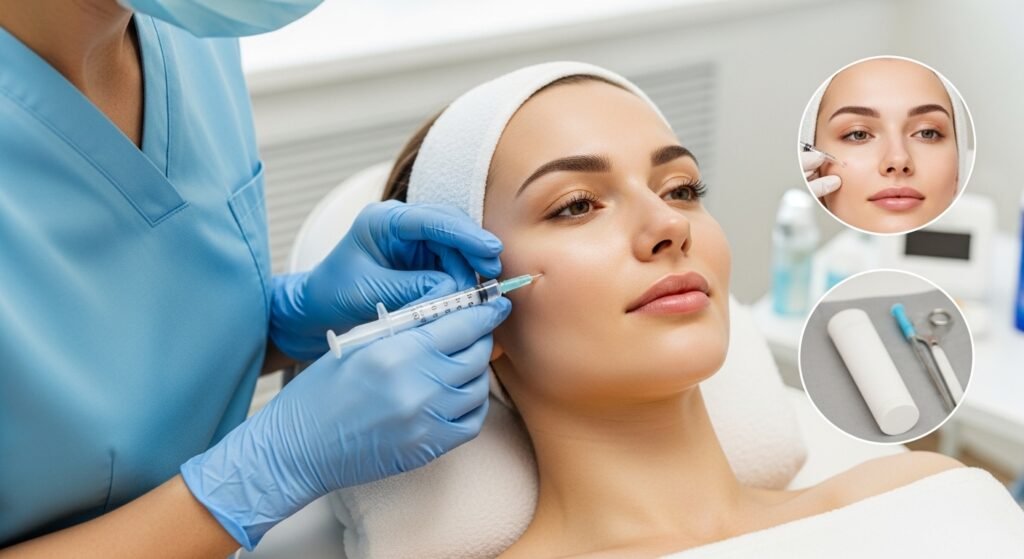
Healthy skin and balanced facial features can change how a person feels each day. At Aesthetic Beauty By Serena, PA-C, many people explore non-surgical options because they want visible results without the long recovery that often comes with surgery. Modern treatments can soften lines, refresh dull skin, restore lost fullness, and carefully improve shape. When planned well, these services support natural-looking change instead of making the face look overdone or unnatural.
What Non-Surgical Aesthetic Treatments Really Do
Non-surgical aesthetic treatments are cosmetic procedures that improve the skin and face without surgery. They can reduce wrinkles, improve skin tone, add volume, support collagen, and sharpen facial contours with little to no downtime. These treatments do not all work in the same way. Some relax muscle movement, some restore fullness, and some improve the skin surface. The best plans often combine several methods based on age, skin quality, facial shape, and personal goals.
Why Skin Changes With Age
As the years pass, the skin makes less collagen and elastin. These two proteins help skin stay firm, smooth, and springy. At the same time, the face can lose fat in key areas like the cheeks and around the mouth. Bone structure also changes slowly with age. Together, these shifts can make the face look tired, flat, or less defined, even when a person feels well-rested and healthy.
Sun exposure, stress, acne, and daily habits can make these changes happen faster. Fine lines may deepen. Pigmentation can become more visible. Old acne marks may stand out more as the skin loses bounce. This is why many people choose treatments that do more than address one problem. A smart aesthetic plan often looks at skin, volume, hydration, and contour together, not as separate issues.
How Botox Helps Smooth Expression Lines
Botox is one of the most recognized options in facial aesthetics. It works by relaxing selected muscles that cause repeated expression lines. These lines often appear on the forehead, between the brows, and around the eyes. When muscle movement softens, the skin above it can look smoother. Botox can also help prevent some lines from becoming deeper over time, which is why many adults choose it early.
The goal is not to freeze the face. Good treatment should allow natural expression while reducing harsh or tired-looking movement patterns. When placed with care, Botox can create a more rested look and improve balance in the upper face. It may also support brow shape and soften tension in areas that pull the face downward. This makes it a useful part of many antiaging treatment plans that focus on subtle, natural results.
How Fillers Restore Volume and Shape
Fillers are used to restore fullness that fades with age. They can help areas such as the cheeks, lips, jawline, chin, and lower face. When the face loses volume, it may look hollow or less supported. Filler can lift and shape these areas in a way that improves balance. In the cheeks, it may create a fresher look. In the chin or jawline, it may improve structure and make facial contours look more defined.
Filler is not only about adding volume. It is also about placement, proportion, and support. A thoughtful treatment plan looks at how one area affects another. For example, better cheek support can soften the lower face, while chin enhancement can improve profile balance. When done carefully, filler can improve contour and facial harmony without making features look heavy. The best outcomes usually come from a customized plan, not from adding product without a clear reason.
Microneedling and the Power of Skin Renewal
Microneedling is a treatment that creates tiny controlled channels in the skin. These small injuries trigger the body’s healing response, which helps increase collagen and elastin. Over time, this can improve acne scars, fine lines, enlarged pores, and uneven texture. It is often chosen by people who want gradual, natural skin improvement. Because it supports the skin’s own repair process, it is a strong option for overall rejuvenation.
This treatment can be especially helpful when the skin looks dull, rough, or marked by past breakouts. It does not simply cover the problem. It encourages the skin to rebuild in a healthier way. Many patients notice smoother texture, better glow, and softer scar edges after a series of visits. For those focused on acne scars and early aging changes, microneedling can be a practical step that fits into a long-term skincare and rejuvenation plan.
PRP and Exosomes for Regenerative Support
PRP stands for platelet-rich plasma. It uses a portion of your own blood that contains growth factors linked to healing and repair. In aesthetics, PRP is often used to support skin rejuvenation, improve texture, and help the skin look fresher. It can be paired with microneedling so those growth factors reach the skin more effectively. This combination is popular for tired-looking skin, fine lines, and areas that need a softer, healthier appearance.
Exosomes are also used in advanced aesthetic care to support skin recovery and renewal. They are linked to cell communication and may help the skin recover after treatments while improving overall appearance. In cosmetic settings, PRP and exosomes are chosen because they support a more regenerative approach to rejuvenation. Rather than only treating the surface, they aim to help the skin function better. This makes them useful for patients who want better tone, smoother texture, and a brighter facial glow.
Chemical Peels Can Brighten Tone and Texture
Peels help remove damaged outer skin cells and support fresher skin underneath. They are often used to improve dullness, mild acne, rough texture, uneven tone, and certain signs of sun damage. A chemical peel can also help reduce the look of discoloration and support smoother makeup application. Depending on the formula and strength, peels can be mild or more active, and the treatment choice should match the patient’s skin type and concern.
For many people, peels are especially useful for pigmentation and early surface changes that make the skin look uneven. They can help brighten skin that has become flat or blotchy from sun exposure, age, or past breakouts. When added to a proper skincare plan, chemical peels support ongoing maintenance and can improve results from other treatments. They do not replace deeper procedures, but they are an excellent way to refresh the skin and support a clearer, more even appearance.
Laser Resurfacing for Deeper Skin Improvement
Laser treatment is often used when patients want stronger improvement in texture, tone, scars, and visible aging changes. Laser resurfacing works by targeting layers of the skin to stimulate repair and collagen production. It can help reduce fine lines, sun damage, and uneven texture while making the skin look firmer and smoother. Some laser systems are also used for scar revision and tightening, which makes them a strong option for more advanced concerns.
Because resurfacing goes beyond the surface, it can help patients who have deeper lines, acne scars, or texture problems that lighter treatments may not fully improve. Recovery time depends on the type of laser and the depth of treatment. This is why proper planning matters. A trained provider should look at skin tone, sensitivity, past treatments, and goals before choosing settings. When selected carefully, laser resurfacing can create meaningful change while still supporting a natural, refreshed look.
Hydrafacial and Dermaplaning for Instant Freshness
Hydrafacial is a multi-step treatment that cleanses, exfoliates, extracts, and hydrates the skin. It is often chosen by people who want a cleaner, smoother, brighter look without downtime. The treatment helps remove buildup from the skin surface while adding moisture back into the skin. That balance can make the face look more refreshed right away. It is a popular option before events, but it also works well as part of regular skincare maintenance.
Dermaplaning is often added to improve exfoliation by removing dead skin and fine facial hair from the surface. This can help the skin feel softer and look more polished. It may also allow skincare products to sit better on the skin and improve how makeup applies. Together, Hydrafacial and dermaplaning support glow, smoother texture, and better hydration. They are gentle options for patients who want visible freshness and a clean, healthy-looking finish.
Facial Contouring Is About Balance, Not Just Change
Facial contouring in non-surgical aesthetics is not about changing who someone is. It is about improving the balance between features. A face can look more defined when the cheeks, chin, jawline, and lips work well together. Sometimes the best result comes from adding small support in one area instead of treating many areas at once. Good contouring respects natural anatomy, age, and expression, so the result feels believable and soft.
Treatments that improve facial shape may include filler for structure, Botox for muscle balance, and skin treatments that improve firmness and clarity. Better skin quality can make contours look stronger because smooth, healthy skin reflects light more evenly. Lifting and tightening treatments may also help reduce heaviness in areas like the jawline or lower face. The goal is not to chase trends. It is to create a balanced appearance that still looks like the patient on their best day.
A Custom Treatment Plan Matters Most
Every patient starts with a different concern. One person may want softer lines. Another may want better volume. Someone else may care most about scars, texture, or tired-looking skin. That is why a custom treatment plan is more effective than a one-size-fits-all approach. A provider should look at skin health, facial shape, medical history, recovery comfort, and long-term goals before recommending any service.
A personalized plan also helps stage treatment in the right order. Sometimes the skin should be improved first with skincare and collagen-stimulating services before contour work is done. In other cases, volume loss should be corrected before smaller surface changes are treated. This step-by-step method often creates more natural results and helps patients avoid over-treatment. It also makes it easier to maintain results over time with the right mix of in-office care and home care.
What Concerns These Treatments Can Address
Many modern aesthetic services work best when matched to a specific concern. A provider may combine treatments based on what the skin and face actually need.
- Wrinkles from repeated movement may respond well to Botox
- Volume loss in cheeks or lips may improve with fillers
- Acne scars and rough texture may improve with microneedling or laser
- Uneven tone and pigmentation may respond to peels or resurfacing
- Dull, dry skin may benefit from Hydrafacial, dermaplaning, and hydration support
- Skin quality and rejuvenation may improve with PRP, exosomes, and collagen-focused care
This kind of matched approach makes treatment safer and more useful. It also helps patients understand why one service may be better than another for a certain problem. For example, a filler will not fix rough skin texture, and a peel will not replace lost cheek structure. Each tool has a purpose. When the right service is used for the right concern, the result is usually more natural, more efficient, and easier to maintain over time.
A Photo-Friendly Moment of Fresh, Healthy Glow
A bright, healthy face often comes from several small improvements working together. Smooth skin texture, balanced volume, softer lines, and better hydration all affect how the face looks in natural light. This is why people often say they want to look refreshed, not different. Treatments that support a clean glow can make the face appear more awake and confident, especially in photos where dullness, dryness, and uneven texture tend to show more clearly.
At Aesthetic Beauty By Serena, PA-C, the focus on personalized care helps patients choose treatments that fit their real goals. Some may want subtle lifting. Others may want smoother skin, less visible scars, or better overall wellness support for the skin. The most successful results usually come from respecting the face, protecting skin health, and building a plan that improves beauty in a natural way. That is what makes non-surgical aesthetic treatments such a valuable option in modern cosmetics and dermatology-based care.