When it comes to improving skin texture, tone, and overall appearance, there are several effective non-surgical and minimally invasive options available. But with so many treatments—CO2 laser, mechanical microneedling, RF microneedling, and chemical peels—it can be confusing to know which one is best for your skin goals.
In this guide, we break down the key differences to help you choose the right treatment for smoother, tighter, and more radiant skin.
CO2 laser resurfacing is considered the gold standard for patients looking for significant skin transformation. This ablative laser works by removing the outer layers of damaged skin while simultaneously stimulating deep collagen production.
It is best suited for individuals with deeper wrinkles, acne scars, sun damage, or crepey skin. Because it penetrates deeply, results are often dramatic—even after a single treatment.
However, this comes with more downtime (typically 7–14 days or longer) and slighter higher risk profile, including post-inflammatory hyperpigmentation (PIH) and prolonged redness. For this reason, it’s important that this treatment is performed by an experienced provider and that patients are carefully selected.
Mechanical microneedling, also known as collagen induction therapy, is a gentle and effective option for improving mild skin concerns such as early signs of aging, enlarged pores, and uneven texture.
This treatment uses fine needles to create controlled micro-injuries in the skin, triggering your body’s natural healing response and collagen production—without the use of heat.
One of the biggest advantages of mechanical microneedling is its safety profile. Unlike RF microneedling, it does not use thermal energy, which means:
With minimal downtime (1–3 days of mild redness), this treatment is suitable for most skin types, including sensitive and darker skin tones. Results are gradual and best achieved through a series of treatments.
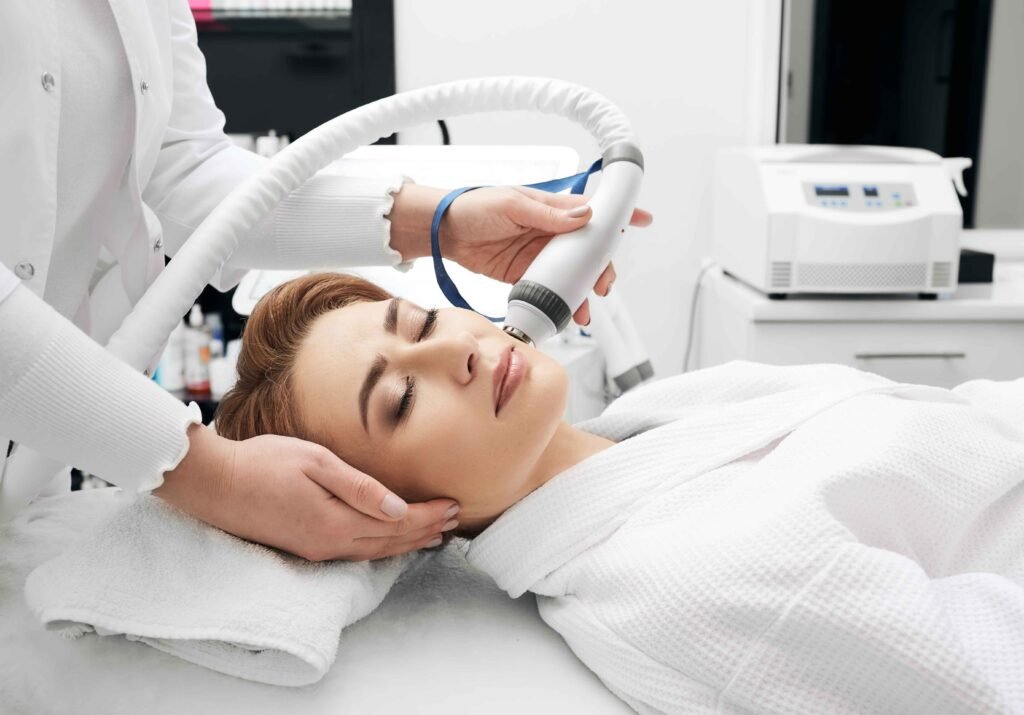
Radiofrequency (RF) microneedling takes traditional microneedling a step further by delivering heat energy into the deeper layers of the skin. This combination enhances collagen production while also providing a degree of skin tightening and contouring.
It is a great option for patients experiencing mild to moderate skin laxity, acne scars, or fine lines, and can be used on both the face and body.
Downtime is still relatively minimal (1–4 days), and results build over time. However, because this treatment uses heat, there are a few considerations:
Chemical peels are a versatile option for improving skin tone, pigmentation, and overall radiance. These treatments use carefully selected acids to exfoliate the skin and promote cell turnover.
They are especially effective for concerns like melasma, sun spots, dullness, and mild acne. Depending on the strength of the peel, downtime can range from minimal flaking to several days of visible peeling.
While chemical peels can significantly improve brightness and clarity, they offer less tightening compared to microneedling or laser treatments. There is also a risk of PIH if stronger peels are used without proper skin preparation.
Choosing the right treatment depends on your skin type, concerns, lifestyle, and tolerance for downtime:
Each of these treatments has its place in a comprehensive skin rejuvenation plan. In many cases, the best results come from combining treatments or customizing a plan tailored specifically to your skin.
A professional consultation is the best way to determine which option will safely and effectively help you achieve your aesthetic goals.
Ready to improve your skin?
Schedule your complimentary consultation at Aesthetic Beauty by Serena PA-C to receive a personalized treatment plan designed just for you. Call or text: 248-677-6060
 Visit: aestheticbeautybyserena.com